If your North Shore roof looks green and fuzzy on the north-facing slopes, you are not alone. Here is why moss thrives on Long Island's tree-covered side and what to do about it before it damages your shingles.
- Moss needs shade, moisture and a rough surface to hold on, and the wooded North Shore offers all three.
- North-facing slopes and roof sections under trees stay damp longest, so moss almost always starts there.
- Left alone, moss lifts shingle edges, traps water and shortens the life of an asphalt roof.
- Gentle low-pressure or soft washing is the safe way to clean a roof; high pressure strips the protective granules.
- Trimming branches, clearing gutters and improving airflow are the best long-term ways to slow moss regrowth.
Moss is a shade and moisture problem, not a dirt problem
Moss is a simple plant that does not have roots the way grass or weeds do. Instead it grows from spores that drift through the air and land wherever conditions are right. On a roof, the right conditions are pretty specific: steady moisture, low sunlight and a surface with enough texture to grab onto. When all three line up, a green film appears, and within a season or two it thickens into the spongy clumps most homeowners recognize.
That is why moss is not really about how clean or dirty your house is. A brand new roof in a shady, damp spot will grow moss faster than an older roof baking in full sun. Understanding it as a shade-and-moisture issue is the key to both cleaning it correctly and keeping it from coming back.
The North Shore's tree canopy is the main culprit
Long Island's North Shore, from communities like Port Washington and Oyster Bay out through Huntington, Northport and Stony Brook, is known for its mature tree cover. Tall oaks, maples and pines shade homes beautifully in summer, but that same canopy is exactly what moss wants. Branches hanging over a roof block direct sun, drop leaves and needles into valleys and gutters, and keep whole roof sections cool and damp long after a rain.
The South Shore has its own moisture challenges, mostly humid, salt-laden air blowing in off the Atlantic, which feeds algae streaking and general grime. But the classic thick, green, cushiony moss is much more a North Shore signature, driven by shade rather than salt. If your neighborhood has big old trees and a lot of leaf litter every fall, your roof is a prime candidate.
It also explains why moss shows up unevenly. The slope under a large tree or on the wooded side of the yard will be green while the open, sunny slope right next to it stays clean. The trees, not the roof itself, are drawing the line.
Why north-facing slopes turn green first
Even on a house with few trees, one part of the roof reliably grows moss before the rest: the north-facing slope. In our part of New York the sun tracks across the southern sky, so a north slope gets far less direct light all year. It dries slowly, holds morning dew longer and stays several degrees cooler. That is a perfect moss nursery.
You can use this to your advantage when inspecting your own home. Walk to the north and shaded sides and look up. If moss is going to appear anywhere, it starts there, often as a faint green haze along the shingle seams before it becomes obvious clumps. Catching it at the haze stage makes cleaning easier and cheaper.
Roof design matters too. Long Island has a lot of Colonials, Capes, split-levels and ranches, and the lower-pitched or more complex rooflines with dormers and valleys create shaded pockets and slow-draining spots that hold moisture and give moss even more of a foothold.
How Long Island's seasons feed the cycle
Our four-season climate keeps a roof damp for much of the year. Spring brings frequent rain and pollen. Summer is humid, and afternoon storms wet a roof that never fully dries under the canopy. Fall drops a heavy layer of leaves that mats into valleys and clogs gutters, trapping water against the shingles. Winter adds snow and ice that melt slowly on cold, shaded slopes.
Nor'easters and the occasional coastal storm deliver days of wind-driven rain that soak every surface and pack more debris into gutters and roof valleys. Each of these events resets the moisture clock, and moss simply picks up where it left off. There is rarely a long enough dry stretch, especially on shaded slopes, for it to die back on its own.
This is also why clogged gutters and moss go hand in hand. When gutters overflow or drain poorly, water backs up onto the lower edge of the roof and lingers, creating the exact damp band where moss and algae love to settle. Keeping gutters clear is one of the simplest things you can do to slow the whole cycle down.
Why moss is worth taking seriously
Moss looks harmless, even charming to some people, but it does real damage over time. As it thickens it acts like a sponge, holding water against your shingles instead of letting them shed and dry. That constant moisture works its way under and between shingles, and in winter it freezes and expands, prying shingle edges up. Once edges lift, wind and water get underneath more easily.
Asphalt shingles are also protected by a layer of mineral granules. Heavy moss, and especially aggressive scrubbing to remove it, loosens those granules and exposes the shingle to sun and weather, which ages the roof faster. Thick moss in valleys and behind chimneys can also dam water and contribute to leaks, and the debris it traps keeps gutters clogged.
None of this happens overnight, but a roof that could last its full expected life can be cut short by years if moss is ignored. The good news is that regular, gentle cleaning and a few maintenance habits protect the roof you already paid for.
The safe way to clean a mossy roof
The single most important rule is to never blast a shingle roof with high pressure. A pressure washer aimed at asphalt shingles tears off the protective granules and can drive water under the shingles, doing more harm than the moss ever would. The professional method is soft washing, which uses low pressure and a cleaning solution that kills the moss and algae so they can be rinsed and then weather away over the following weeks.
If you decide to tackle light moss yourself, work on a cool, overcast day, wet the roof first, apply an appropriate roof cleaner, let it dwell, and rinse gently from the top down with normal hose pressure. Never scrape or wire-brush hard, and be extremely careful, because a wet, mossy, sloped roof is genuinely dangerous to walk on. For anything beyond a small patch, or any roof where you would have to climb, it is safer and usually cheaper in the long run to bring in a pro.
This is where a licensed and insured local company like Premium Services can help. We handle roof and gutter cleaning across Nassau and Suffolk with low-pressure soft washing, so the moss comes off without stripping your shingles, and we clear the gutters in the same visit. As a rough guide, professional roof soft washing on Long Island typically runs a few hundred dollars for a smaller ranch and more for large or steep homes, with price driven by roof size, pitch, how much moss has built up and access. Always get a quote based on your specific roof rather than a flat number over the phone.
How to keep moss from coming back
Cleaning gets rid of moss, but because the North Shore conditions do not change, prevention is what keeps your roof clear between visits. The most effective step is more sunlight and airflow: trim back branches that hang over or shade the roof. Even opening up a few feet lets a slope dry faster and dramatically slows regrowth. Keep the canopy off the roof and you starve the moss of the shade it needs.
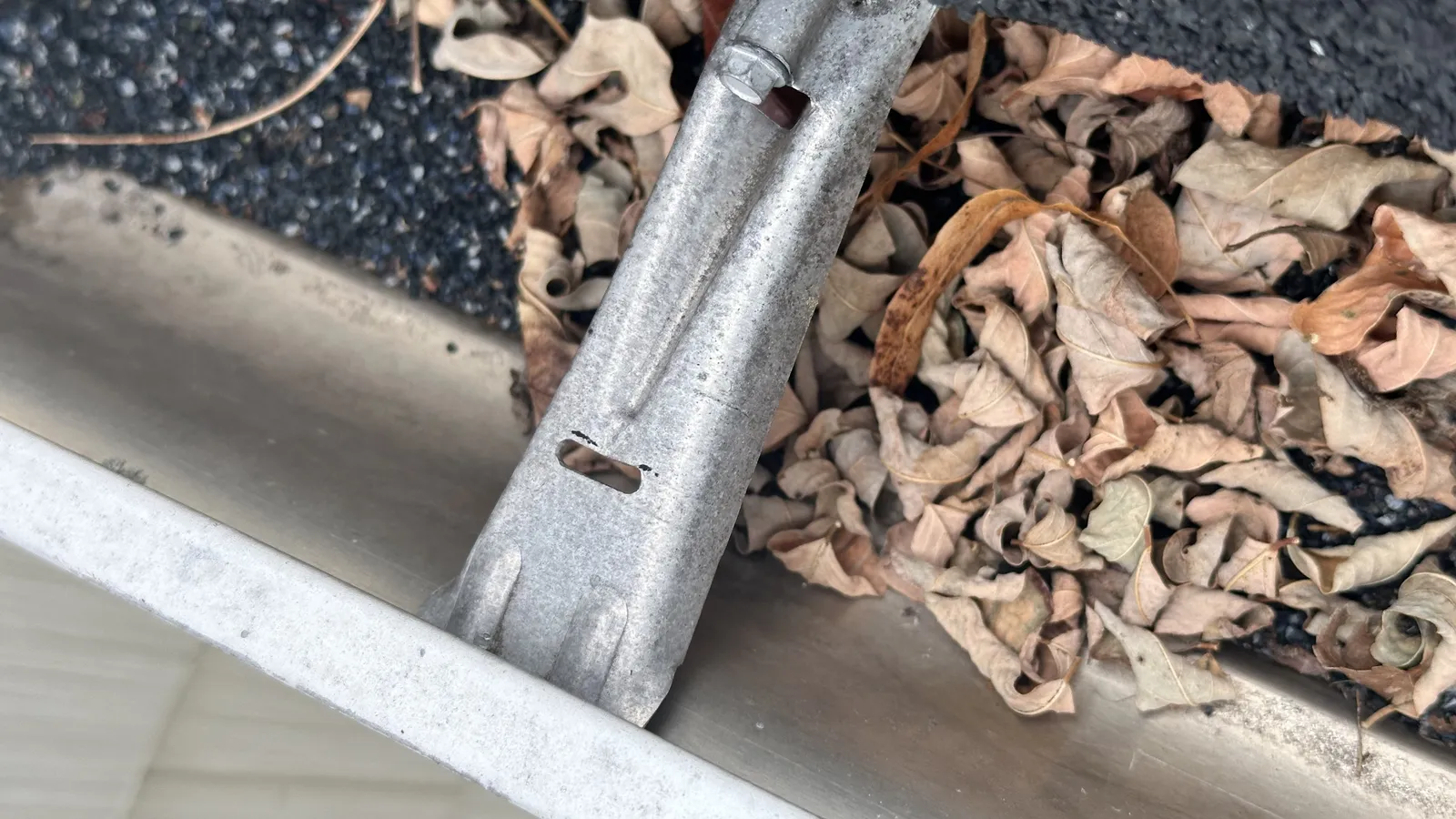
Keep gutters and roof valleys clear, especially after fall leaf drop and after any big storm, so water drains fast and does not pool along the eaves. Clearing debris also removes the little dams where moisture and organic matter collect. A yearly gutter cleaning, timed for late fall, handles most of this on Long Island.
For longer-term protection, installing zinc or copper strips near the ridge is a proven trick. When it rains, trace amounts of metal wash down the slope and make it harder for moss and algae to establish. Pair that with a gentle cleaning every couple of years, or sooner on heavily shaded homes, and you can keep even a wooded North Shore roof looking good and lasting its full life.
Frequently asked questions
It does real damage over time. Moss holds moisture against the shingles, lifts their edges as it freezes and thaws in winter, and can trap water in valleys, all of which shortens the life of an asphalt roof. It is worth removing rather than ignoring.
No. High pressure strips the protective granules off asphalt shingles and can force water underneath, causing more harm than the moss. Use low-pressure soft washing with a proper roof cleaner, or hire a pro, and never walk a wet, mossy, sloped roof.
That side is almost always the north-facing or tree-shaded slope, which gets less sun and stays damp far longer. Moss needs that steady shade and moisture, so it colonizes the cool, slow-drying side first.
It typically runs a few hundred dollars for a smaller home and more for large or steep roofs. Price depends on roof size, pitch, how much moss has built up and access, so it is best to get a quote for your specific roof. Premium Services can be reached at (934) 500-2940.
Most heavily shaded roofs benefit from a gentle cleaning every couple of years, along with yearly gutter clearing in late fall. Trimming overhanging branches and adding zinc strips can stretch the time between cleanings.
Rather leave it to the pros?
Premium Services covers all of Long Island. Free, no-obligation estimate.
Roof & Gutters near you
Get it done by a local, licensed team.