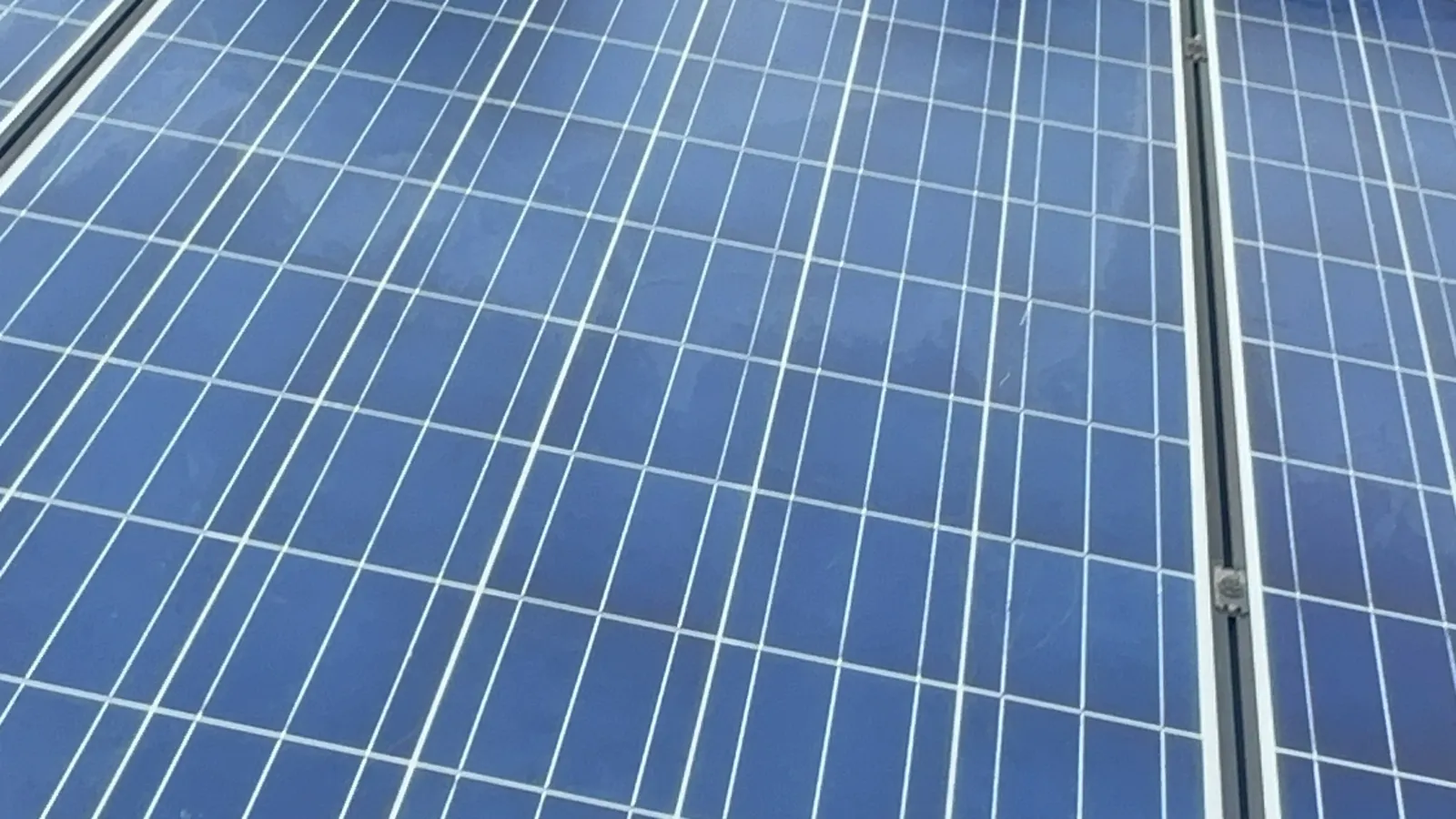
Yes, you can often clean solar panels yourself, but only from the ground and only if you follow a few rules. Here is how to decide safely on Long Island.
- Ground-level cleaning with a soft brush and plain water is usually safe for a DIYer. Climbing onto a wet, sloped roof is not.
- Never use pressure washers, hot water, harsh detergents, or hard scrubbers on panels. They can crack cells and void your warranty.
- On Long Island, North Shore panels battle shade, pollen, and moss, while South Shore panels collect salt film and grime.
- Most residential panels only need cleaning once or twice a year, usually spring and fall.
- If your roof is steep, tall, mossy, or the panels are heavily soiled, hire a pro who is licensed and insured.
The short answer: sometimes, and from the ground
You can clean solar panels yourself in many cases, and often you should not have to do much at all. Rain does a surprising amount of the work, rinsing off loose dust and pollen between storms. The real question is not whether cleaning is possible, but whether reaching your panels is safe for you and gentle on the equipment.
The honest rule of thumb is simple. If you can reach the panels safely from the ground with an extension pole, or from a stable surface without climbing onto the roof itself, a light DIY cleaning is reasonable. The moment the job requires you to stand on a sloped roof, lean over an edge, or balance a ladder against gutters, the risk stops being worth it. Panels are replaceable. A fall from a two-story Long Island Colonial is not.
So treat this guide as a decision tool. It will help you tell the easy, ground-level jobs from the ones that belong to a professional with the right harness, ladder stabilizers, and insurance.
Why clean them at all, and how dirt hurts output
Solar panels make electricity from sunlight, so anything that blocks the glass reduces how much power they produce. A thin, even layer of dust typically costs only a small percentage of output, and rain usually clears it. The bigger losses come from stuck-on grime that rain cannot rinse away: bird droppings, tree sap, pollen paste, moss along the edges, and the salty film common near the water.
Bird droppings and leaf debris are the worst offenders because they create hard shadows. When even one cell in a panel is fully blocked, it can drag down the output of the whole string it belongs to, not just that one spot. That is why a single well-placed dropping can cost more than a light coat of dust across the entire array.
The point of cleaning is not to make the glass sparkle for looks. It is to remove the concentrated, opaque messes that meaningfully cut your production and, over time, can leave stains or encourage moss growth that is harder to remove later.
The safe DIY method, step by step
First, pick the right time. Clean early in the morning or on a cool, overcast day, and never on hot panels in full afternoon sun. Cold water hitting hot glass can cause thermal stress, and in rare cases a crack. Cooler panels also mean the water does not evaporate instantly and leave spots. Before you start, if you have a system monitor or app, note the current output so you can see the difference afterward.
Use the gentlest tools that will do the job: a soft-bristle brush or a microfiber pad on a telescoping pole, plenty of plain water from a garden hose, and for stubborn spots a little dish soap or a mix made for glass. Rinse first to float off grit, then brush lightly with the flow of water, then rinse again. Let the panels air dry or wipe with a clean microfiber. Skip squeegees with hard edges and anything abrasive.
Keep both feet on the ground or on a stable, level surface. Extension poles now reach many single-story and low roof arrays without a ladder. If you cannot reach comfortably, stop. Do not improvise with ladders against gutters or by stepping onto wet shingles. That single decision is where most solar cleaning injuries come from.
What never to do to your panels
Never use a pressure washer. It is the single most common way homeowners damage their own system. The high-pressure spray can crack the glass, drive water past the seals into the panel, or blast the wiring and junction boxes underneath. Most manufacturers explicitly warn against it, and the resulting damage is usually not covered under warranty.
Skip harsh chemicals too. Bleach, ammonia, abrasive powders, and strong degreasers can etch or discolor the anti-reflective coating on the glass, which permanently lowers output. Plain water handles most jobs, and a mild dish soap handles the rest. Hard water can leave mineral spots, so if your water is very hard, a final rinse with distilled or filtered water helps.
Finally, do not walk on the panels, lean tools against them, or scrub with anything rough like a stiff broom or scouring pad. Micro-scratches accumulate, and cracked cells often are not visible until your production quietly drops. When in doubt, be gentler than you think you need to be.
Long Island specifics: North Shore, South Shore, and the seasons
Where you live on the Island changes what lands on your panels. On the North Shore, heavy tree cover means more pollen in spring, more falling leaves and sap in autumn, and more shade that keeps roofs damp and invites moss and algae along panel edges. If tall oaks and maples surround your home, expect to clean a little more often and to watch the low edges of the array for green growth.
On the South Shore and near the bays and the ocean, salt air is the main issue. A fine salt film settles on the glass, and combined with humidity it turns dust into a sticky haze that rain does not fully rinse. Homes closer to the water usually benefit from a gentle freshwater rinse a couple of times a year to keep that film from building up.
Season matters too. Spring coats everything in yellow pollen, summer adds humidity and afternoon heat, fall drops leaves and sap, and winter brings snow and nor'easters. Most Long Island homeowners find that a cleaning in late spring, after the pollen settles, and another in fall, after the leaves drop, keeps output healthy. You rarely need to clear snow yourself, since panels are dark, tilted, and usually shed snow on their own as the sun returns.
When to call a pro, and what it usually costs
Hire a professional when the panels are on a steep or high roof, when they are heavily soiled with moss or years of buildup, when you would need a ladder against the house to reach them, or when you simply are not comfortable working at height. A licensed and insured company brings proper fall protection, the right soft-wash tools, and coverage if something goes wrong. That last point matters: if an uninsured helper is hurt on your roof, you can be the one left responsible.
As for price, professional solar panel cleaning in the New York area typically runs somewhere in the low-to-mid hundreds of dollars for an average home system, with the exact figure driven by how many panels you have, roof height and pitch, how dirty they are, and access. Many homeowners bundle it with roof and gutter cleaning to save a trip charge, which is often the better value since those jobs share the same setup.
Premium Services is a licensed and insured local option for exactly these jobs across Nassau and Suffolk, using a gentle soft-wash approach that protects the glass and the warranty. If you would rather have it handled safely, or you want an honest look before deciding, you can reach the team at (934) 500-2940 to talk it through or book a visit.
Frequently asked questions
For most homes, once or twice a year is plenty, typically late spring after the pollen settles and fall after the leaves drop. Homes under heavy trees or very close to the water may benefit from an extra light rinse.
No. Pressure washers can crack the glass, force water past the seals, and void your warranty. Use plain water, a soft brush, and mild dish soap only.
Rain rinses off loose dust and pollen, but it cannot remove bird droppings, sap, moss, or the salty film near the shore. Those concentrated messes are what actually cut your output and need occasional cleaning.
If you can reach them safely from the ground with an extension pole, a light DIY cleaning is fine. If the roof is steep, tall, or the panels are heavily soiled, a licensed and insured pro is safer and often not much more than the risk you would take.
Usually yes, especially if they had bird droppings, moss, or a heavy salt or pollen film. Light, even dust makes little difference, but removing concentrated shading can noticeably restore output. Check your monitoring app before and after to see the change.
Rather leave it to the pros?
Premium Services covers all of Long Island. Free, no-obligation estimate.